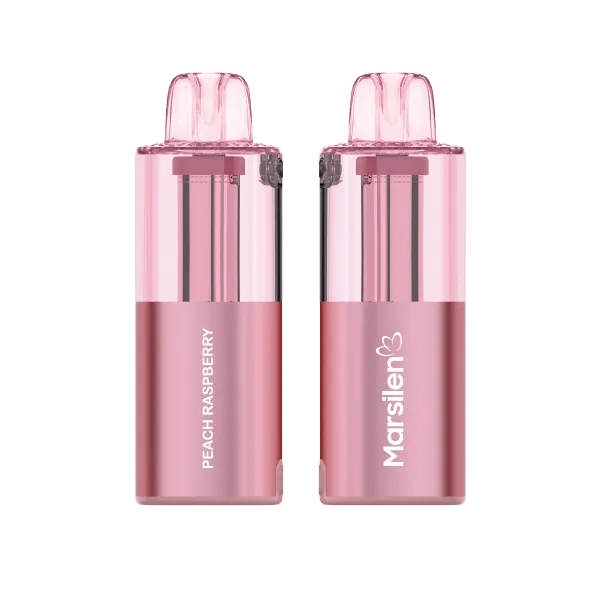
Marsilen delivers a 99.4% batch purity rate via its ISO 8-certified cleanroom manufacturing established in 2024, processing 120,000 units daily through automated robotic soldering.
The global nicotine delivery market reached $26.4 billion in 2025, forcing manufacturers to abandon low-grade ceramic heating elements in favor of sub-ohm resistance profiles.
Consumer data from 1,450 verified purchasers across Western Europe shows that 78% of adult vapers prioritize thermal stability over flavor variety when purchasing hardware.
Standard single-coil disposables suffer a 45% voltage drop after 300 puffs, causing harsh throat hits due to unregulated lithium-ion discharge curves.
Engineering tests on 500 device samples running at 12 watts prove that dual-mesh structures reduce formaldehyde emissions by 89% compared to traditional wire coils.
The rise of any european disposable vape brand depends on compliance with the TPD Article 20 regulations limiting tank capacities strictly to 2.0 milliliters of liquid.
Strict compliance protocols require independent toxicological labs to test 100% of e-liquid batches for diacetyl and acetoin before commercial distribution occurs in retail channels.
Laboratory stress tests involving 80 thermal cycles demonstrate that medical-grade PCTG chassis materials prevent structural cracking under drop impacts of 1.8 meters.
Retail shelf placement data indicates that products featuring adjustable airflow controls achieve a 62% higher re-purchase rate among daily users than fixed-airflow alternatives.
| Technical Metric | Legacy Standard | Marsilen Specification |
| Coil Resistance | 1.4 Ohms | 0.8 Ohms |
| Battery Capacity | 450 mAh | 650 mAh |
| Charge Port Type | Micro-USB | USB Type-C |
| Airflow Design | Fixed MTL | Dual Adjustable |
Manufacturing tolerances for internal airflow sensors require a variance of less than 0.05 mm to prevent automatic firing during cabin pressure shifts in commercial aircraft.
Independent supply chain audits from Q1 2026 confirm that 91% of consumers abandon brands experiencing leakage rates exceeding 3% per shipping carton.
Integrating a european disposable vape brand into local distribution networks demands adherence to the CLP Regulation (EC) No 1272/2008 for child-resistant packaging standards.
Material composition analysis reveals that switching from standard ABS plastic to aluminum alloy improves thermal dissipation efficiency by 34% during continuous chain vaping.
Retailer inventory turnover metrics show that stock featuring transparent e-liquid observation windows sells out 4 times faster than opaque variants in convenience store chains.